
ÉVORA AND LIEPAJA: HEADING FOR THE EUROPEAN CAPITALS OF CULTURE 2027

European Capitals of Culture: an initiative to promote Europe’s influence
Launched in 1985 by the European Union, the European Capitals of Culture initiative aims to promote the continent’s cultural richness and diversity. Every year, one or more towns are selected to put on a special programme combining concerts, exhibitions, performances, artist residencies and public events. Beyond the events themselves, this initiative helps to showcase local heritage, support contemporary creativity and boost the appeal of local areas.
Since its launch, the programme has helped to bring about lasting change in many European destinations. Cities such as Lille, Marseille, Porto and Riga have gained significant international recognition thanks to this accolade. Cultural investments made in this context often leave a lasting legacy, whether in the form of new facilities, creative spaces or participatory projects involving local residents.
In 2027, Évora and Liepāja will bring this ambition to life through two distinct experiences: Vagar in Portugal, an invitation to slow down and reconnect with what really matters, and (un)rest in Latvia, a celebration of contrasts, movement and creative energy.
Évora, Portugal: take the time to explore
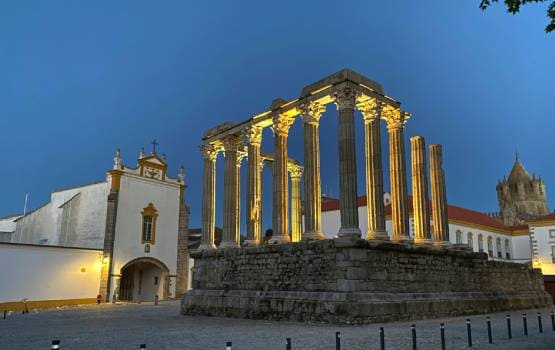
Situated in the heart of the Alentejo, in southern Portugal, Évora captivates visitors with its remarkable historical heritage and authentic way of life. Listed as a UNESCO World Heritage Site, the town is home to, amongst other things, an exceptionally well-preserved Roman temple, a medieval cathedral, historic ramparts and charming narrow streets lined with whitewashed houses.
The best way to explore its historic centre is on foot, taking in the sunny squares, lively terraces and monuments that bear witness to more than two millennia of history. Each neighbourhood tells a different story of the city’s development, from Roman influences to its medieval and Renaissance heritage.
Évora is also an excellent gateway to the Alentejo. This region, which remains largely untouched by mass tourism, is renowned for its vast rural landscapes, traditional villages, olive groves, vineyards and hearty cuisine. Nature lovers will also find plenty of opportunities here for walking and exploring the natural surroundings.
As part of its Year of Culture, the town will be celebrating the concept of ‘Vagar’. This concept, which is deeply rooted in Portuguese culture, encourages us to slow down, observe our surroundings and make the most of every moment. It forms part of a wider discussion on our contemporary lifestyles and on how culture can contribute to collective well-being.
This philosophy reflects a different approach to travelling: taking the time to meet the locals, discovering local crafts, taking an interest in regional traditions, and prioritising the quality of experiences over cramming in as many visits as possible. At a time when sustainable tourism is becoming increasingly important, Évora stands out as a particularly suitable destination.
In 2027, this approach will guide a cultural programme designed to foster dialogue between heritage, contemporary creation, the environment and lifestyle. Exhibitions, art installations, live performances and participatory projects will invite visitors and local residents to take a fresh look at the area. An opportunity to rediscover Évora from a fresh perspective, whilst preserving its historical identity.
Liepāja, Latvia: between the Baltic Sea and creativity
On the west coast of Latvia, Liepāja offers a completely different atmosphere. This port city is renowned for its long sandy beaches along the Baltic Sea, its vibrant music scene and its diverse architectural heritage. Its identity has evolved over time, shaped by its industrial heritage, maritime traditions, cultural influences and creative spirit.
Often known as the ‘city where the wind is born’, Liepāja boasts a unique natural environment. Its coastline is one of its main attractions, offering vast open spaces ideal for walks and relaxation. The city’s constant proximity to the sea plays a major part in creating its unique atmosphere.
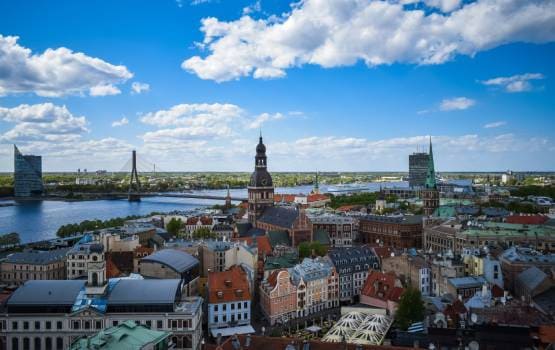
Beyond its coastline, Liepāja invites you to explore its streets and discover its rich and varied architecture. Art Nouveau buildings stand alongside more contemporary structures, whilst certain neighbourhoods bear witness to the city’s industrial history. The town also offers an attractive alternative for travellers wishing to explore Latvia off the beaten track. It offers visitors the chance to discover a different side to the country, far from the usual tourist trails, whilst enjoying a particularly vibrant cultural scene.
Concerts, performances, installations, collaborative projects and intercultural encounters will punctuate the year. Music, which already plays a significant part in the city’s identity, is set to play a central role in the programme. This cultural momentum will also help to strengthen links with other European stakeholders.
With its seaside walks, architectural highlights and cultural events, Liepāja promises a getaway that combines city exploration with the great outdoors. Its year as European Capital of Culture will provide a unique opportunity to discover a destination that is still relatively unknown to the general public.
Two destinations, two ways to experience culture
Évora and Liepāja offer two complementary experiences for travelling in Europe in 2027. In Portugal, the Alentejo’s historical heritage, traditions and the philosophy of ‘Vagar’ invite you to slow down and enjoy the local way of life. In Latvia, the Baltic Sea, the country’s seafaring history and its arts scene combine to create a destination characterised by openness, creativity and contrasts.
Despite their differences, these two cities share the same ambition: to make culture a driving force for bringing people together, fostering dialogue and encouraging discovery. Their programme will focus equally on local residents and visitors, showcasing local resources whilst promoting international exchanges.
Why visit Évora and Liepāja in 2027?
The year 2027 offers a unique opportunity to discover these two destinations from a whole new perspective. Thanks to their status as European Capitals of Culture, Évora and Liepāja will host a wide range of artistic events, exhibitions, performances, creative residencies and participatory projects. These initiatives will enable visitors to immerse themselves in the local culture whilst enjoying a particularly rich international programme.
Beyond the events themselves, these cities offer an alternative to the major European capitals that are traditionally popular with visitors. They appeal to travellers seeking authenticity, well-preserved heritage and immersive cultural experiences.
Whether you’re a history buff, an architecture enthusiast, keen to discover new art scenes, or simply looking for a different kind of holiday, Évora and Liepāja deserve a place on your travel list for 2027. Fancy planning your cultural getaway for 2027?
Take a look at the official programmes for Évora and Liepāja to find out about upcoming events, discover the highlights of the year and plan your next trip to the heart of two of the future European Capitals of Culture.