
JAPAN, A LAND OF HOT SPRINGS
Sento, onsen: what are the differences?
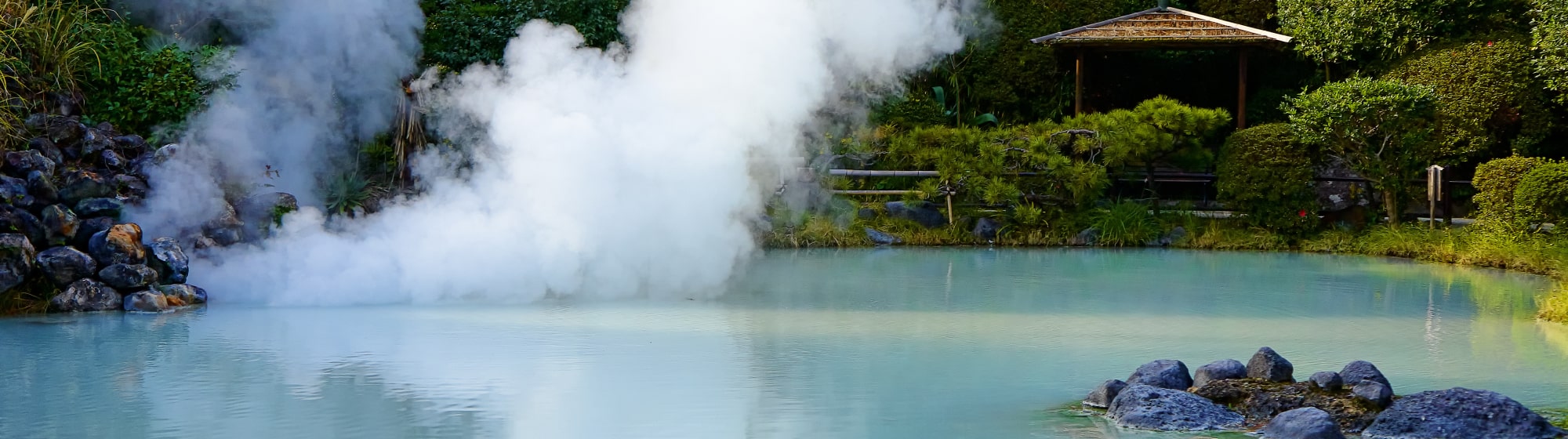
Firstly, we need to distinguish between two types of bath. The most common type is the sento, a hot bath filled with tap water, but there are also onsen. These are natural thermal waters that originate from volcanic springs. These same waters can sometimes have medicinal properties.Some may even have therapeutic properties and are therefore recommended for treating an injury or illness. It is therefore advisable to do some research beforehand to find the source best suited to your condition. Some are situated in the heart of the countryside. To access these sites, which are endemic to the island, there are certain rules that must be followed.
The hot spring: A traditional activity
Traditions are very important to the Japanese, and bathing is no exception. This is not a public swimming pool for having fun or swimming. Here, relaxation and unwinding are the order of the day. Once you have entered the building, you will need to take off your shoes and make your way to the ticket office.Next, choose your changing room, taking care not to mix up the men’s and women’s ones, as they are not mixed. You must be completely naked whilst bathing. But before getting into the pool, you’ll need to wash yourself thoroughly using the small showers provided nearby. After that, you can enjoy the warm water, taking care not to stay in it for too long.
It is also worth noting that in Japan, tattoos are frowned upon and associated with criminals and the yakuza, which might explain why some users are being stared at. Some onsen even go so far as to ban people with tattoos from entering.
Embracing the thalassotherapy experience
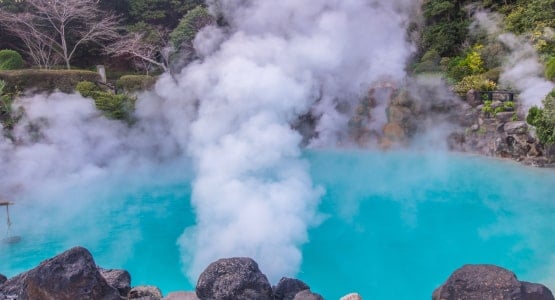
Travellers looking for a couples’ spa break or an all-inclusive spa holiday will find Japanese onsens to be a rewarding alternative. These spas offer a unique day-long thalassotherapy experience, where you can immerse yourself in natural mineral waters, whilst enjoying surroundings that are just as beneficial for the mind as they are for the body. Couples can enjoy these moments in private onsens or during a romantic spa break, creating unforgettable memories in a naturally therapeutic setting
A few examples:
- Kusatsu Onsen, Gunma Prefecture
This spring is one of the three hot springs with the highest temperature, ranging from 51 to 94 °C. But there’s no need to worry – the water is cooled during a ceremony in which women stir the water using wooden planks 1.80 m long.
- Unzen Onsen, Nagasaki Prefecture
Situated in a nature reserve, the village of Unzen has numerous hot springs. The nearby volcano contributes a high sulphur content and acidity to the water. The volcanic park situated at the foot of the mountain is called ‘Unzen’s Underworld’. This hellish landscape is caused by geysers, mud pools and hot springs.
- Hakone, Kanagawa Prefecture
This town, situated near Tokyo, lies between Mount Fuji and the Izu Peninsula. With its views of the mountain, gardens, art museum and onsen, this town is a must-visit destination.
- Arima Onsen, Osaka Prefecture
This spa resort is one of the oldest in the country. The saline and carbonated springs provide them with therapeutic benefits as well as an unforgettable sense of well-being. Each hotel has its own thermal baths, but there are also two public baths.
Nicolas Heeb - JAPAN NEWS
If you’d like to find out more about Japan, take a look at this article.