
AIRBNB SCAM ALERT: HOW CAN YOU AVOID THE PITFALLS OF HOLIDAY RENTALS THIS SUMMER?
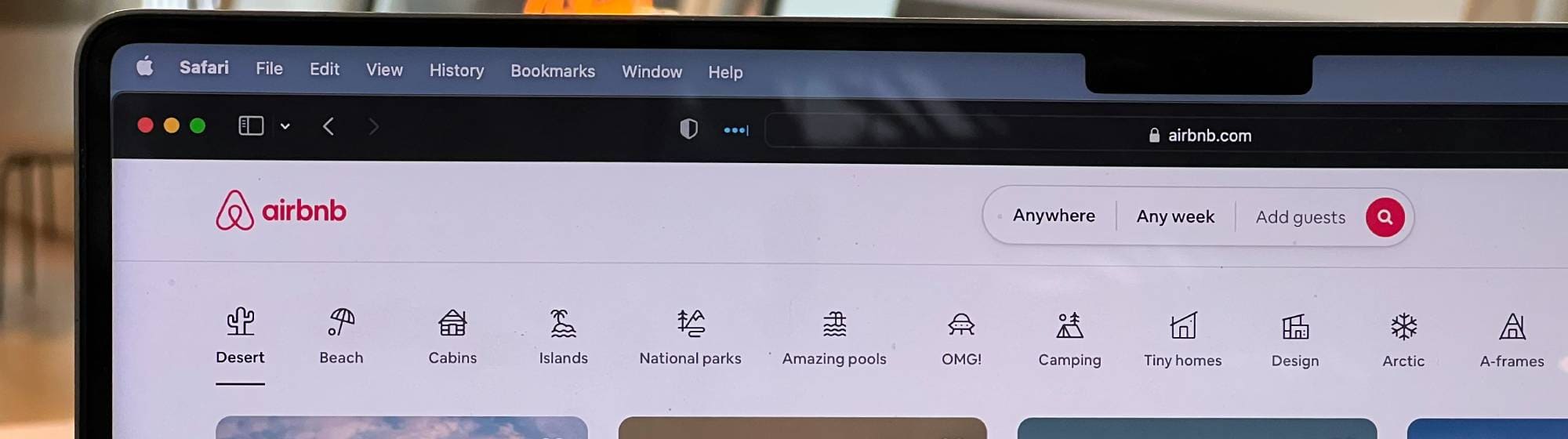
Fake properties, misappropriated payments, misleading photos and even ‘ghost’ landlords: holiday rental scams are on the rise as the peak holiday season approaches. Every year, many holidaymakers lose several hundred, or even several thousand, euros by booking accommodation that does not exist or does not match the description at all.
How can you spot a fraudulent advert? What steps should you take before booking? Here is our comprehensive guide to avoiding Airbnb scams and booking your next holiday let with complete peace of mind.
Why do Airbnb scams increase during the summer?
The summer season is a particularly favourable time for fraudsters. Between last-minute bookings, high tourist demand and the pressure of finding the perfect accommodation, many travellers are making their decisions more quickly than usual.
Fraudsters take advantage of this rush to post fake adverts or impersonate genuine property owners. They know that when a destination is in high demand, holidaymakers are often keen to book straight away so as not to miss out on a good deal.
Seaside resorts, major tourist cities and regions that are particularly busy during the school holidays are especially affected. Some fraudulent adverts may even remain online for several days before being detected and removed by the platforms.
The outcome is often the same: the traveller arrives at the destination and discovers that the accommodation does not exist, that it is already occupied, or that it bears absolutely no resemblance to the photos shown at the time of booking.
The main warning signs to look out for
1. A price that’s far too attractive
That’s usually the first clue.
A villa with a swimming pool and sea views, situated right in the heart of a highly sought-after destination and offered at a price 30 to 50 per cent below market value, should immediately raise your suspicions.
Fraudsters often use extremely competitive prices to attract as many victims as possible in a short space of time. When you come across a particularly good deal, always take a few minutes to compare the prices of similar accommodation in the same area.
If the price difference seems hard to justify, it’s best to check more thoroughly before booking.
2. A landlord who requests payment outside the platform
This is probably the most important warning sign.
Some fraudsters contact travellers after they have made a booking or before confirmation, and suggest payment by bank transfer, PayPal-to-PayPal, gift card or any other method outside the platform.
The excuse is often the same: to avoid service charges or to get an extra discount.
In almost all cases, this is an attempt at fraud.
Platforms such as Airbnb have secure payment systems and procedures in place to protect travellers. If you make a payment outside these systems, you lose most of the safeguards provided in the event of a dispute.
3. The absence of reviews or comments
A property listing that has only just been posted online is not necessarily a scam. However, the complete lack of reviews should prompt you to exercise caution.
Do also take the time to consider the quality of the comments posted. Very short, repetitive reviews, written in a similar style or covering just a few days, can sometimes seem artificial.
Conversely, detailed, varied comments posted regularly over a period of several months are generally a more reassuring indicator.
4. Photos that are too perfect or inconsistent
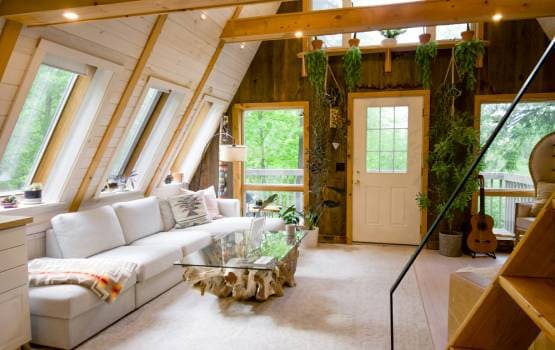
Images are often the main factor that prompts a traveller to book. Scammers are well aware of this and sometimes use photographs taken from the internet, from estate agents or even luxury hotels.
If the photos look overly professional or do not match the type of accommodation advertised, take the time to carry out a few additional checks.
For example, a house situated in a small village is unlikely to feature architecture typical of another country or fixtures and fittings that are clearly incompatible with the region in question.
5. An urgent or unusual message
Pressure is a technique frequently used by fraudsters.
A host who claims to receive ‘ten enquiries an hour’, demands immediate payment or threatens to cancel the booking if you don’t reply straight away is sometimes trying to stop you from taking the time to think it over.
A reliable host usually answers questions openly and gives travellers plenty of time to make their decision.
How can you check an Airbnb listing in under two minutes?
A few simple checks are enough to rule out the majority of suspicious adverts.
Step 1: Perform a reverse image search
Upload one or more photos of the property and use Google Images or a reverse image search tool.
This technique allows you to find out whether the photos appear on other websites. In some cases, they are linked to another property, located in another country or used in several listings at the same time.
When several different adverts use exactly the same images, it is advisable to exercise caution.
Step 2: Check the location
Although the exact address is not always visible, most platforms show an approximate location.
Have a look at the area on Google Maps or Street View to check that the surroundings match the photos shown.
This simple check can sometimes reveal significant discrepancies between reality and the advert.
Step 3: Analyse the host profile
Please take a few moments to view the owner’s profile. In particular, please check:
- How long they have been on the platform;
- The number of adverts published;
- Feedback received;
- Its response rate;
- Its level of verification.
A recent profile does not necessarily mean it is a scam, but it warrants closer scrutiny than an account that has been active for several years.
Step 4: Compare market rates
Before finalising your booking, compare several similar properties in the same neighbourhood.
If a advert shows a price that is significantly lower than all the others for no apparent reason, it is best to carry out a few extra checks.
What should you do if you think you’ve been the victim of a scam?
If you notice any suspicious behaviour before making a booking, do not make any payment and immediately stop communicating with the other party outside the platform.
You can also:
- Report the advert to the moderation team;
- Keep all conversations and screenshots;
- Contact the platform’s customer service team;
- Check whether other users have reported the same problem.
If you have already made a fraudulent payment, contact your bank as soon as possible to discuss the options for disputing or obtaining a refund for the transaction.
The quicker you react, the greater your chances of recovering the funds.
Booking securely: best practices to follow
Although scams do exist, they are in the minority compared with the total number of bookings made each year. To minimise the risks as much as possible:
- Book only through recognised platforms;
- Please use only the integrated payment systems;
- Choose accommodation that has several recent reviews;
- Be wary of offers that seem too good to be true;
- Always check the photos and the location;
- Read the host’s profile carefully;
- Keep a record of all written correspondence.
These simple steps only take a few minutes but can save you a lot of trouble.

In summary
Airbnb scams and holiday rental frauds are on the rise every summer, capitalising on holidaymakers’ enthusiasm and, at times, their haste. Fortunately, most scams have easily identifiable warning signs: abnormally low prices, requests for external payment, a lack of credible reviews, or suspicious photos.
Before confirming a booking, always take the time to carry out a few simple checks. A quick image search, a comparison of prices or an analysis of the host’s profile may be enough to spot a fraudulent listing.
Finally, bear in mind this essential rule: when an offer seems too good to be true, it’s always worth checking it out a bit more closely.
Taking two minutes to check could save you from losing several hundred euros… and, above all, from ruining your holiday.